

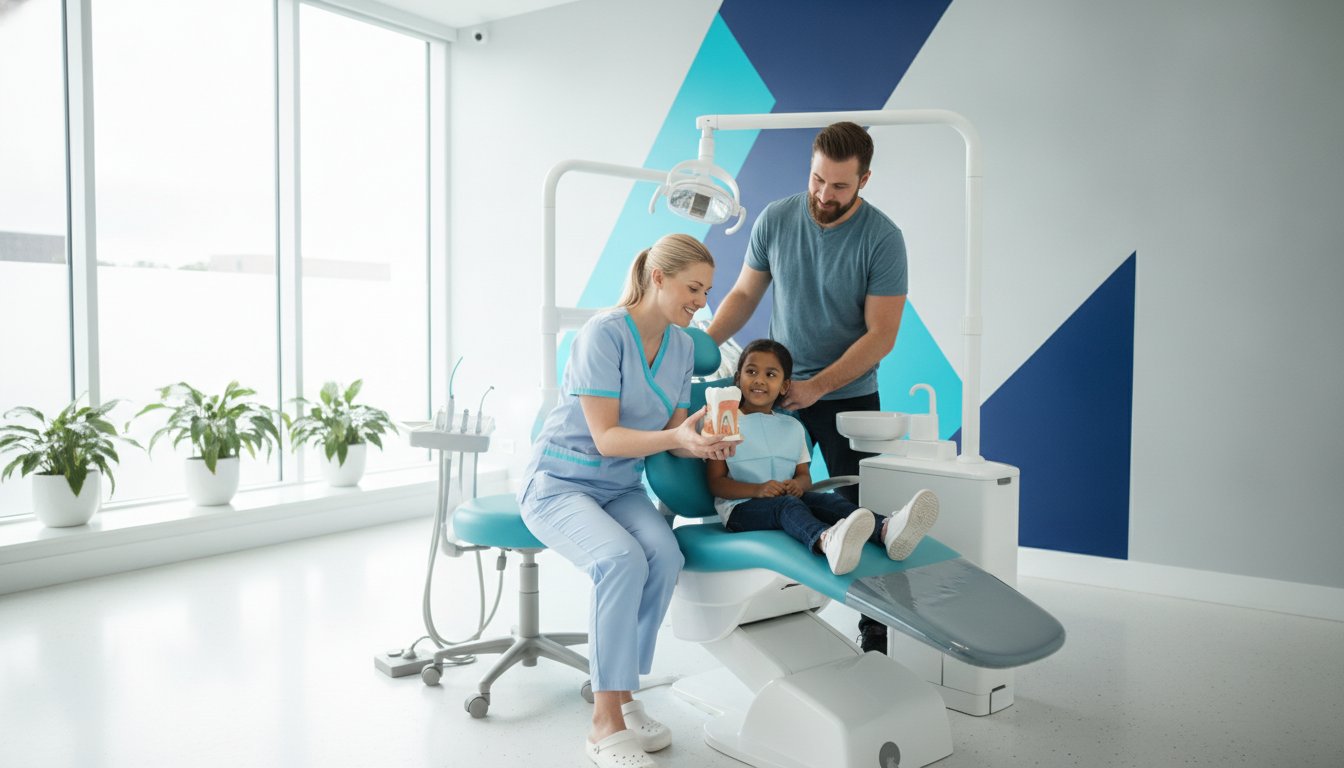
Did you know that half of children aged 6 to 9 have already experienced cavities in their primary or permanent teeth? It’s a startling figure that often leaves parents feeling a bit anxious about their own little one’s dental journey. You likely want to avoid the stress of your child being in pain or the looming worry of expensive orthodontic bills down the track. We completely understand that you’re looking for a gentle, straightforward way to manage your family’s oral health without the guesswork. This is where preventative dentistry for children becomes your best friend.
Choosing a preventative path helps break the stressful “emergency visit” cycle. When a child only visits the dentist because they are in pain, they often begin to associate the clinic with fear and discomfort, which can lead to lifelong dental phobias. Instead, we aim to build a “dental home” where your little one feels safe, recognised, and relaxed. Practices like 7 Pearls Dental embody this family-focused approach, ensuring children feel comfortable from their very first appointment. From a practical perspective, investing in simple preventative measures like regular check-ups is far more cost-effective than managing extensive dental work down the track. It’s about peace of mind for you and a pain-free experience for them.
In this comprehensive 2026 guide, you’ll learn exactly how to safeguard your child’s smile and avoid costly future treatments. We’ll help you establish a positive relationship between your child and the dentist while giving you the tools for a cavity-free childhood. We’re going to walk through the ideal timing for that first visit, the latest in protective treatments like fissure sealants, and simple at-home routines that actually work for busy Aussie families. By the end, you’ll feel confident and prepared to lead your child toward a lifetime of healthy, happy smiles.
Key Takeaways
- Understand why baby teeth are the vital foundation for your child’s adult smile and how proactive care stops decay before it starts.
- Discover how professional safeguards like fissure sealants and fluoride treatments act as an invisible “raincoat” for back molars.
- Follow the “First Birthday, First Visit” roadmap to ensure a stress-free and positive introduction to preventative dentistry for children.
- Identify tooth-friendly lunchbox snacks and at-home habits that protect your child’s teeth from sugar spikes during the school day.
- Learn how to access the Child Dental Benefits Schedule (CDBS) to help cover the cost of your child’s essential dental check-ups and treatments.
The Foundation of Lifelong Smiles: What is Preventative Dentistry for Children?
Preventative dentistry is the practice of maintaining oral health through regular professional intervention and at-home habits. While many people think of dental visits as a way to fix a problem, preventative dentistry for children focuses on ensuring those problems never develop in the first place. It is a proactive, collaborative approach that combines regular clinical exams and professional cleans with tailored education for both you and your child. By catching potential issues in their earliest stages, we can stop decay before it has a chance to cause discomfort or require invasive work.
A common misconception is that baby teeth, or deciduous teeth, aren’t important because they eventually fall out. In reality, these first teeth are the essential placeholders for your child’s future adult smile. They help guide permanent teeth into the correct positions and play a vital role in speech development and nutrition. Early childhood oral health is directly linked to adult outcomes; a child who avoids cavities in their primary teeth is significantly more likely to have healthy permanent teeth later in life. By prioritising children’s dentistry early on, you reduce the risk of your child needing complex restorative treatments, such as root canals or extractions, during their teenage years.
The Economic and Emotional Benefits of Prevention
Choosing a preventative path helps break the stressful “emergency visit” cycle. When a child only visits the dentist because they are in pain, they often begin to associate the clinic with fear and discomfort, which can lead to lifelong dental phobias. Instead, we aim to build a “dental home” where your little one feels safe, recognised, and relaxed. From a practical perspective, investing in simple preventative measures like regular check-ups is far more cost-effective than managing extensive dental work down the track. It’s about peace of mind for you and a pain-free experience for them.
Preventative Care vs. Reactive Treatment
The field of Pediatric dentistry has shifted away from simply “fixing holes” toward a philosophy of “strengthening enamel.” Reactive treatment waits for a cavity to form before intervening, whereas preventative dentistry for children uses tools like fluoride and sealants to make the teeth more resilient against acid and bacteria. In this model, the dentist acts as a coach rather than just a provider. We work alongside you to refine brushing techniques and dietary habits, empowering your child to take pride in their healthy smile. This steady, methodical approach ensures that dental health becomes a natural, stress-free part of your family’s routine.
Professional Safeguards: Fissure Sealants and Fluoride Treatments
While brushing at home is the cornerstone of a healthy mouth, professional cleans are necessary to remove hardened tartar that a standard toothbrush simply cannot budge. These clinical cleans reach into the tight spaces between teeth and beneath the gum line, areas where bacteria love to hide. By clearing away these deposits twice a year, we significantly lower the risk of gum inflammation and decay. These visits also allow us to monitor the development of your child’s jaw and teeth, making them the core components of preventative dentistry for children.
Fissure Sealants: A Shield Against Cavities
Deep grooves and pits on the chewing surfaces of back molars are notorious “cavity magnets”. Even with excellent brushing, these fissures are often narrower than a single toothbrush bristle, making them nearly impossible to clean perfectly. Fissure sealants for kids act as an invisible raincoat for these teeth, sealing off the deep grooves to block out food particles and acid-producing bacteria. Research indicates that dental sealants can prevent 80% of cavities on back teeth, where the majority of decay occurs in school-aged kids.
The application process is entirely non-invasive and stress-free. There is no drilling, no needles, and no numbing required. We simply “paint” the sealant onto the clean tooth surface, where it bonds and hardens quickly. Most sealants last for several years, and we check them during every routine exam to ensure they remain intact and effective. It is a simple, painless way to provide long-term protection for your child’s permanent molars.
The Science of Fluoride Protection
Fluoride is a naturally occurring mineral that plays a massive role in strengthening tooth enamel. When teeth are exposed to fluoride, it integrates into the enamel structure, making it harder and more resistant to the acid attacks that cause cavities. Professional-grade fluoride treatments are much more concentrated than the fluoride found in standard retail toothpaste. We apply this as a topical varnish or foam, providing a powerful boost of protection alongside a personalized program of home care to ensure the best results.
Early orthodontic screening is another vital part of our preventative approach. By identifying issues like malocclusion (bite misalignment) or overcrowding as early as age seven, we can often implement simpler, less expensive solutions. This early intervention can sometimes reduce the time your child might need to spend in braces later. If you’re ready to start your child on a path to a healthy smile, feel free to learn more about our approach to children’s dentistry and how we make every visit a positive experience.
A Parent’s Roadmap: Preventative Care from Baby Teeth to Adolescence
Understanding that your child’s dental needs evolve as they grow is the secret to a stress-free experience. Preventative dentistry for children isn’t a one-size-fits-all solution; it’s a developmental roadmap that adapts to every new milestone. By hitting specific check-points at the right time, you can prevent minor issues from becoming major hurdles. This proactive approach ensures that your child’s oral health remains a priority from their very first gummy smile through to their teenage years.
Infancy and Toddlerhood (0-3 Years)
Oral care begins well before the first tooth erupts. We recommend cleaning your baby’s gums with a soft, damp cloth after feeds to remove bacteria and prepare them for future brushing. When that first tooth appears, usually around six months, it’s time to book their first appointment. This follows the “First Birthday, First Visit” rule. These early “happy visits” focus on building a sense of safety and trust in the dental chair. We also provide guidance on managing teething discomfort using cold teething rings rather than sugary gels, which can sometimes harm emerging enamel. To feel fully prepared and confident walking through the door, our detailed guide on how to prepare for your toddler’s first dental checkup walks you through exactly what to expect at every stage of the appointment.
The Primary School Years (5-12 Years)
Between ages 5 and 12, your child enters the “mixed dentition” stage, where baby and adult teeth coexist. This is a critical time for monitoring how the jaw grows to accommodate larger permanent teeth. As Aussie kids get involved in school sports, protection becomes paramount. A custom fit dental mouthguards is essential for weekend footy or netball to prevent traumatic injuries that “boil-and-bite” versions often miss. During these years, we’ll work on refining their independent brushing techniques as their motor skills and hand-eye coordination improve.
Adolescence and Beyond (13+ Years)
Teenagers face unique challenges, from the lure of sugary sports drinks to a more independent lifestyle. We use these years to screen for emerging wisdom teeth and assess any orthodontic needs that may have become apparent. It’s also a time for honest, gentle conversations about the risks of mouth piercings, smoking, or vaping on oral tissues. Preventative dentistry for children during adolescence is about empowering them to take ownership of their health. We focus on the link between a healthy smile and their growing confidence, ensuring they carry good habits into adulthood.

Beyond the Chair: Daily Habits and Nutrition for Healthy Teeth
What happens in your own bathroom is just as vital as the time spent in a dental clinic. While we provide the professional safeguards, the daily rhythm of preventative dentistry for children is established at home. It is about creating a sustainable routine that feels like a natural part of the day rather than a chore. By focusing on small, consistent habits, you can significantly reduce the risk of your child ever needing a filling or more complex work.
Melbourne’s tap water is a secret weapon for local families. Unlike most bottled waters, our local supply is fluoridated to a level that helps protect teeth throughout the day. Encouraging your child to drink from the tap at school is like giving them a gentle, protective fluoride treatment every time they feel thirsty. It is a simple, free way to strengthen their enamel while they are away from your direct supervision. This “tap water advantage” is one of the easiest ways to support their long-term oral health without any extra effort.
The Role of Diet in Cavity Prevention
Modern lunchboxes are often filled with “hidden sugars” that can cause repeated acid attacks on young teeth. Processed snacks like muesli bars, dried fruit leathers, and even some yoghurts are surprisingly high in sugar and tend to stick in the grooves of the teeth. To protect their smile, try to include foods that naturally help clean the teeth, such as crisp apples, carrots, or celery. These crunchy options stimulate saliva flow, which acts as a natural buffer against acid. Water should always be the primary drink for school-aged kids to keep their mouths rinsed and hydrated throughout the day.
Mastering Home Hygiene Techniques
The “2×2 Rule” is the gold standard for home care: brushing twice a day for at least two minutes each time. For younger children, choose a toothbrush with a small head and soft bristles to ensure they can reach those tricky back molars comfortably. Most kids can transition from low-fluoride “junior” toothpaste to adult strength around the age of six, provided they have learned to spit effectively. If you find the evening routine a struggle, creative tools like tooth-brushing apps with timers or simple reward charts can turn a daily task into a fun challenge. Flossing should also become a non-negotiable habit as soon as two teeth start to touch, ensuring bacteria don’t hide in the gaps.
If you’re unsure about your child’s brushing technique or want a professional assessment of their oral health, book a consultation today to keep their smile on track.
Making Dental Visits Stress-Free at Caroline Springs Dental Clinic
At Caroline Springs Dental Clinic, we believe that a child’s first experiences with oral health set the tone for their entire life. Our approach to preventative dentistry for children is built on empathy, patience, and a genuine love for our local community. We understand that for a little one, the dental chair can feel like a big, intimidating place. That is why we focus on creating a warm, hospitality-focused environment where every child feels like a guest rather than just a patient. Finding a friendly children’s dentist is about more than just clinical skill; it is about building a foundation of trust that lasts through adolescence and beyond.
One of the most important resources for Aussie families is the Child Dental Benefits Schedule (CDBS). This government initiative provides over $1,000 in benefits for basic dental services over two consecutive calendar years for eligible children. It covers essential preventative work such as examinations, cleans, and fissure sealants. We can help you check your child’s eligibility quickly, ensuring that financial barriers don’t stand in the way of a healthy smile. By utilising these benefits, you can stay on top of your child’s preventative care without the worry of out-of-pocket expenses for many routine services.
Accessible Care for the Local Community
We are proud to serve families across the Western Suburbs, from Caroline Springs and Deanside to Taylors Hill, St Albans, and Truganina. Our clinic is designed for modern family life, offering convenient booking slots that fit around school runs and work commitments. To make quality care accessible, we offer flexible payment options and health fund processing through HICAPS for immediate claims. If your child is particularly nervous, we take the time to move at their pace. We never rush a procedure; instead, we use gentle explanations and a calm rhythm to ensure they feel in control of their experience.
Your Next Steps to a Healthier Smile
Preparing for the first visit is easier than you might think. We suggest talking to your child about the dentist in positive, simple terms, perhaps describing it as a “check-up for their smile” or “counting their teeth.” When you arrive, feel free to bring along a favourite toy or a comfort item. We’ll handle the rest, ensuring that their introduction to preventative dentistry for children is a positive milestone. Ready to secure your child’s dental future? You can easily book your next appointment online at Caroline Springs Dental today.
Securing Your Child’s Brightest Smile
Establishing a foundation of health starts with the simple, proactive steps we’ve shared in this guide. From the “raincoat” protection of fissure sealants to the daily “tap water advantage,” you now have a roadmap to navigate your child’s dental journey with confidence. Embracing preventative dentistry for children is about more than just avoiding the drill; it’s about fostering a positive, fearless attitude toward self-care that your little one will carry into adulthood.
At Caroline Springs Dental, our family-friendly clinic has been serving the Western Suburbs for years with a specialised focus on gentle children’s dentistry. We understand the unique needs of our youngest patients and offer bulk billing for eligible CDBS patients to ensure quality care is accessible for everyone. Our team is here to support you at every stage, from that first “happy visit” to the busy teenage years.
Ready to protect your child’s smile for the future? Book Your Child’s Preventative Check-up Today and let us help you maintain a cavity-free childhood. We can’t wait to see those happy smiles in our clinic soon.
Frequently Asked Questions
At what age should my child first see a dentist?
Your child should have their first dental check-up by their first birthday or within six months of their first tooth appearing. This early start allows us to establish a dental home and monitor development before any issues arise. These initial happy visits are designed to be quick and positive, focusing on gentle examination and parental guidance rather than complex procedures.
What is the Child Dental Benefits Schedule (CDBS) and is my child eligible?
The CDBS is an Australian Government scheme providing over $1,000 in benefits for basic dental services over two calendar years. To be eligible, your child must be aged between 0 and 17 years for at least one day of the calendar year, be Medicare eligible, and receive a relevant government payment like Family Tax Benefit Part A. This is a vital part of preventative dentistry for children as it covers essential exams and cleans.
Are fissure sealants really necessary for all children?
While not every single child requires them, fissure sealants are highly recommended for those with deep grooves on their permanent molars. These pits are often too narrow for toothbrush bristles to clean, making them prime spots for decay. We assess each child individually to determine if sealants are the right choice based on their tooth anatomy and overall cavity risk. It is a simple, non-invasive way to provide extra protection. To learn more about how this treatment works and what to expect, read our detailed guide on fissure sealants for kids and cavity prevention.
How can I prevent my child from being scared of the dentist?
The best way to prevent dental anxiety is to start visits early and keep your own language positive and calm. Avoid using words like pain, needle, or drill, and instead describe the visit as a fun way to count and clean their teeth. Reading dental-themed picture books together or playing dentist at home can also help make the clinic environment feel familiar and safe before you arrive. For a comprehensive walkthrough of what to expect and how to set the right tone, our guide on preparing for your toddler’s dental checkup offers practical tips to make the experience a positive one.
Is tap water better for my child’s teeth than bottled water?
Yes, fluoridated tap water is generally better for your child’s teeth than most bottled water. In Melbourne, our tap water contains a controlled amount of fluoride that helps strengthen tooth enamel and prevent decay. Most bottled waters are filtered or sourced in a way that removes these minerals. Choosing tap water ensures your child receives a constant, low-level dose of protection throughout the day as they hydrate.
What should I do if my child chips a tooth while playing sports?
If your child chips a tooth, you should contact us immediately to book an urgent assessment. If you can find the broken piece, rinse it gently in water and bring it with you, as we may be able to reattach it using a bonding and composite filling. For future protection, we always recommend a custom-fit mouthguard for any organised school sports to prevent these types of traumatic injuries from occurring again.
How often should children have a professional dental clean?
Most children should have a professional dental clean every six months as part of a robust routine for preventative dentistry for children. Regular visits allow us to remove plaque and tartar that home brushing misses while checking for early signs of decay or jaw development issues. Depending on your child’s specific risk factors, we might occasionally recommend more frequent visits to ensure their oral health stays on the right track.
Is it okay for my toddler to use fluoride toothpaste?
It is absolutely okay, but you must use the right strength for their age. For children aged 18 months to six years, a pea-sized amount of low-fluoride junior toothpaste is recommended. Once they turn six and can spit reliably, they can usually transition to standard adult-strength fluoride toothpaste. Always encourage your child to spit out the excess paste rather than rinsing with water to keep the protective fluoride on their teeth.